Zen Read
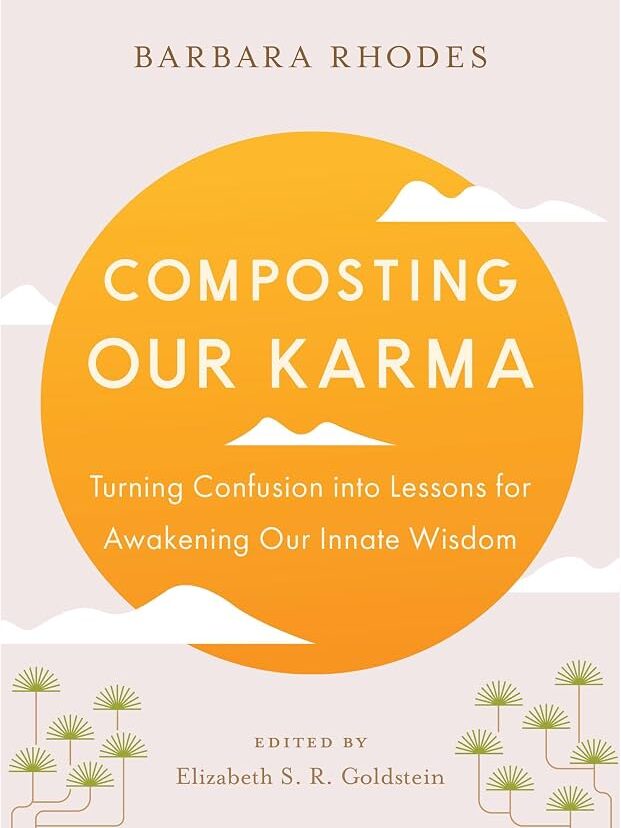
Book Review by Elizabeth Goldstein, Dharma Teacher & Editor of Composting our Karma
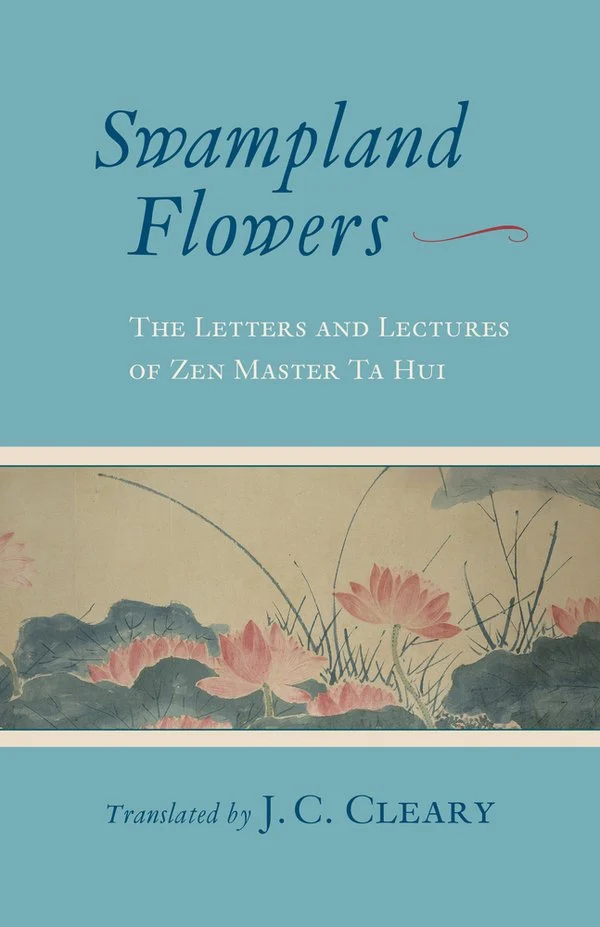
Swampland Flowers: The Letters and Lectures of Zen Master Ta Hui
Translated by J.C. Cleary
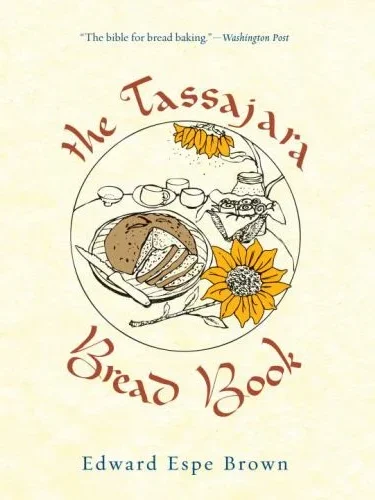
I was first introduced to Swampland Flowers: The Letters and Lectures of Zen Master Ta Hui several years ago while helping Zen Master Soeng Hyang (Bobby Rhodes) write her book, Composting Our Karma: Turning Confusion into Lessons for Awakening Our Innate Wisdom. I was reading through a transcript of a dharma talk she gave at Wheaton on January 30, 1999, and during the Q & A someone asked her what books she took with her on solo retreats. She mentioned that it can be very helpful on long retreats to have a good book to focus on and that she had an afternoon reading time in her schedule. She said that on her second hundred day solo retreat she took two books, Swampland Flowers and a book about making bread called, The Tassajara Bread Book by Edward Brown, whom she noted is a Zen teacher and that she loves making bread.
She said that she read Swampland Flowers because it was so amazing it made her weep. Bobby’s summary of the collection of Zen Master Ta Hui’s letters written mostly to lay students was: “If you read his stuff, you could see how self-reliant he was and how he encouraged his students to just believe in themselves.” She recalled one cold November day while it was raining, reading very slowly a passage stating that there’s something in practice that is the most important ingredient, and decided to try and guess what it was before she turned the page to see what he wrote.
She said she started thinking “endurance, fortitude, faith… “ then turned the page and it said “patience.” She then started weeping because she was so touched by that and mentioned that she’s an impatient person: “One of my qualities is not patience, especially with myself.” She noted an experience of “softening” when reading those words. I was very curious about Zen Master Ta Hui’s words that had such an effect, so I ordered the book. (But now, in reviewing the dharma talk transcript for writing this Zen Read, I want to get the bread book and see what was so great about that, too.)
I also found Swampland Flowers amazing and Ta Hui’s wisdom inspiring in many ways. The “About the Author” section written by the translator J.C. Cleary placed Ta Hui in an historical context, which really brought our practice alive for me in new ways. He talked about the politics of the time and Ta Hui’s struggles along his Zen path, which reminded me of the potential for persecution in our current political context. Later on his path, when asked by his teacher how he’d “transmit Bodhidharma’s coming from the West,” he said, “I shouldn’t always be making up wild fox spirit views,” which the translator noted is a metaphor for someone who “indulges in cleverness.” Though Ta Hui was suspicious of cleverness, he really appreciated koan [kong-an] practice as an antidote for what he described as the blankness of silent illumination.
One koan his teacher Yuan Wu gave him was, “East Mountain walks on water,” which leads to an enlightenment, though his teacher said there’s another step. “It wasn’t easy for you to get to this stage – too bad that having died, you are unable to come back to life.”
The koan he was given that led to his final breakthrough was, “To be and not to be – it is like wisteria leaning on a tree.” After completing this koan, Yuan Wu accepted him as his dharma heir.
Ta Hui is known for teaching about the importance of “great doubt,” or what we call Don’t Know Mind in the Kwan Um School of Zen. I’ve also heard Bobby and other teachers in our school mention a story about a Zen Master who said on his deathbed about life, “What’s all the fuss?” and learned when reading Swampland Flowers that the Zen Master in the story was Ta Hui and that just before he died he wrote the following poem to his students:
Birth is thus.
Death is thus.
Verse or no verse,
what’s the fuss?
So clear, patient, and expansive. I can feel my mind softening into the realities of the current world situation. And that’s just the “About the Author” section!
I found his letters inspiring as well, and appreciated his direct teaching style. In letter 5, “Mind’s Conceptual Discrimination,” written to his student Lo Meng-pi, he wrote: “It is said that poisonous snakes and fierce tigers can still be avoided, but the mind’s conceptual discrimination truly has no place for you to escape.” In another letter, he even went so far as to say that intellectuals are basically doomed to be unable to achieve enlightenment. I got worried reading that bit. But, then in letter 55, Faith, he gives a very good description of the internal mental struggle that produces doubt and confusion and reassures his student Teng Tzu-li that, “If you can believe directly that this mind has definitely attained enlightenment from the beginning, and abruptly forget all your views, then these roads of delusion themselves are the route of enlightenment by which the person escapes from birth and death.”
I highly recommend reading this collection of letters and have faith there’s something inspiring to any reader. Personally, this book helped me clarify my direction at a time I was struggling with becoming a dharma teacher. In letter 72, A Talk to the Assembly, he said, “If all you people want to perpetuate the ways of this school, you must know the One Suchness of mind and objects… It requires an abrupt, complete break: pick out the one inside your skull that’s doing the false thinking, take the eighth consciousness [the reservoir of our past experiences], and cut it off with one blow.” This clear and dramatic description from a teacher in our lineage so many years ago opened up a realization in me that the task is the same now, that each of us needs to go inside ourselves to do what needs to be done, and that we can carry the light of how to do this from generation to generation and pass it on to the best of our abilities.